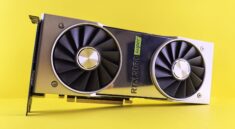

RISC-V Server CPU has emerged as a game-changing technology in the computing landscape. With its impressive 46-core V100 architecture, this CPU promises enhanced performance for various applications.
What is RISC-V Server CPU?
The RISC-V Server CPU represents a significant advancement in processor architecture, designed to meet the growing demands of modern computing environments. Developed as an open-standard instruction set architecture (ISA), RISC-V allows for greater flexibility and customization compared to traditional CPU architectures.
One of the most notable recent developments in this space is the launch of the 46-core V100 RISC-V Server CPU by SpacemiT. This powerful processor is engineered to handle intensive workloads, making it ideal for cloud computing, data centers, and high-performance computing applications.
The RISC-V architecture stands out due to its modular design, which enables developers to tailor processors for specific applications. This adaptability means that businesses can optimize their hardware for performance, power efficiency, and cost-effectiveness.
Some key features of RISC-V Server CPUs include:
- Scalability: RISC-V can scale from small embedded systems to high-performance servers.
- Open Source: The open nature of RISC-V encourages innovation and collaboration within the tech community.
- Cost Efficiency: Reduces licensing fees associated with proprietary architectures.
As organizations increasingly seek to enhance their computational capabilities, the RISC-V Server CPU is emerging as a proven solution that addresses diverse tech needs.
Key Features of the V100 CPU
The newly launched V100 RISC-V Server CPU by SpacemiT boasts several key features that set it apart in the competitive landscape of server processors. Designed with cutting-edge technology, the V100 aims to meet diverse tech needs across various industries. Below are some of its prominent attributes:
- High Core Count: With 46 cores, the V100 delivers exceptional parallel processing capabilities, enabling efficient handling of multiple tasks simultaneously.
- Energy Efficiency: Built on a power-efficient architecture, the V100 minimizes energy consumption while maximizing performance, making it a sustainable choice for server environments.
- Flexibility: The RISC-V architecture allows for customization, providing businesses the ability to tailor the CPU for specific applications, enhancing performance for specialized tasks.
- Compatibility: Supporting a wide range of software and operating systems, the V100 ensures smooth integration into existing IT infrastructures without significant overhauls.
- Scalability: As demands grow, the V100 can be easily scaled to accommodate increased workloads, making it an adaptable solution for future growth.
With these features, the RISC-V Server CPU positions itself as a formidable option for organizations looking to leverage advanced computing power while maintaining cost and energy efficiency.
Benefits of Using RISC-V Architecture
The RISC-V architecture offers numerous advantages, making it an attractive option for developers and organizations seeking robust computing solutions. One of the primary benefits of using a RISC-V Server CPU is its flexibility. Unlike traditional architectures, RISC-V allows for customization, enabling businesses to tailor their processors to specific workloads and applications. This adaptability can lead to enhanced performance and efficiency.
Another significant advantage is cost-effectiveness. RISC-V’s open-source nature eliminates the need for expensive licensing fees, allowing companies to allocate resources more effectively. This can be particularly beneficial for startups and smaller firms looking to innovate without incurring high initial costs.
Additionally, RISC-V Server CPUs, such as the V100, are designed with scalability in mind. They can easily accommodate growing workloads, making them ideal for cloud services and data centers. Companies can start small and scale their solutions as needed, which aligns perfectly with modern business growth strategies.
Furthermore, the community-driven development aspect of RISC-V fosters continuous improvement and innovation. Developers worldwide contribute to the architecture, ensuring that RISC-V remains at the forefront of technological advancements. This collaborative environment enhances the reliability and performance of RISC-V Server CPUs, establishing them as a proven solution for diverse tech needs.
How SpacemiT Innovates with Technology
SpacemiT has made significant strides in the tech industry with its innovative approach to the RISC-V Server CPU. By focusing on flexibility and performance, the company is delivering solutions that cater to the evolving demands of modern computing. The launch of the 46-Core V100 RISC-V Server CPU marks a pivotal moment in the realm of server technology, enabling businesses to leverage enhanced processing power without compromising on efficiency.
One of the key innovations introduced by SpacemiT is the seamless scalability of the V100 architecture. Organizations can easily expand their computational capabilities as their needs grow, ensuring that they remain competitive in an ever-changing market. Additionally, the V100 CPU’s energy-efficient design minimizes power consumption, making it an environmentally friendly option for data centers.
Furthermore, SpacemiT emphasizes collaboration with developers and researchers, fostering an open-source ecosystem around the RISC-V architecture. This initiative encourages continuous improvement and adaptation, allowing users to customize their server environments to maximize performance.
In conclusion, SpacemiT’s commitment to driving innovation in the RISC-V Server CPU space positions it as a leader in technology solutions. With a focus on performance, scalability, and collaboration, the company is setting new standards that are likely to influence the future of server design.
Comparing RISC-V with Traditional CPUs
As the tech industry continues to evolve, the debate around RISC-V Server CPU versus traditional CPUs intensifies. While traditional CPUs, such as those from Intel and AMD, have dominated the market for years, RISC-V offers a compelling alternative that is gaining traction.
One of the most significant advantages of RISC-V architecture is its open-source nature. Unlike proprietary architectures, RISC-V allows developers to customize their CPUs without the constraints of licensing fees. This flexibility enables companies to tailor solutions to their specific needs, potentially leading to better performance and efficiency.
Another key difference lies in scalability. RISC-V Server CPUs can be designed to support a range of applications, from high-performance computing to edge devices. Traditional CPUs often come with fixed capabilities, which may not align with the needs of diverse workloads. With the V100, SpacemiT illustrates how RISC-V can effectively handle demanding tasks while remaining adaptable.
Moreover, energy efficiency is a crucial factor in modern computing. RISC-V CPU designs prioritize lower power consumption, which can significantly reduce operational costs for data centers. In contrast, many traditional CPUs tend to consume more power, raising concerns about sustainability.
In summary, while traditional CPUs have their strengths, the RISC-V Server CPU presents a modern, flexible, and efficient alternative that meets the evolving demands of the tech landscape.
Performance Metrics of the 46-Core CPU
The recently launched 46-Core V100 RISC-V Server CPU has demonstrated impressive performance metrics that set it apart in the competitive landscape of server technologies. Designed with advanced architecture, this CPU showcases capabilities that cater to diverse computing needs, making it a strong contender in modern server applications.
Key performance metrics include:
- Core Count: With 46 cores, the V100 RISC-V Server CPU can efficiently handle multiple tasks simultaneously, improving overall throughput.
- Clock Speed: The CPU operates at a maximum clock speed of 3.2 GHz, ensuring rapid processing for demanding applications.
- Memory Bandwidth: Featuring a memory bandwidth of 128 GB/s, it allows for faster data access and processing, which is crucial for large-scale computations.
- Energy Efficiency: The architecture has been optimized for power consumption, delivering high performance while minimizing energy usage.
- Scalability: The V100 can be seamlessly integrated into existing infrastructures, providing flexibility for future upgrades.
These performance metrics not only highlight the capabilities of the V100 CPU but also reinforce the potential of RISC-V Server CPU architecture in addressing the evolving needs of technology today. As organizations seek efficient and powerful solutions, the V100 stands ready to deliver robust performance.
Applications for RISC-V Server CPUs
The versatility of the RISC-V Server CPU makes it an ideal choice for a wide range of applications across various industries. Its open-source architecture allows developers to customize and optimize the CPU for specific needs, leading to innovative solutions in many fields.
Here are some key applications for RISC-V Server CPUs:
- Data Centers: RISC-V Server CPUs are becoming increasingly popular in modern data centers due to their scalability and energy efficiency. They can handle large-scale processing tasks while minimizing power consumption.
- Cloud Computing: With the rise of cloud services, the RISC-V architecture is well-suited for cloud-based applications, providing a cost-effective and flexible solution for managing resources and workloads.
- Artificial Intelligence: The ability of RISC-V Server CPUs to be tailored for specific AI workloads allows for efficient processing of large datasets, making it a powerful option for machine learning and data analysis.
- Embedded Systems: RISC-V’s low power consumption and customizable features make it suitable for embedded systems in various devices, from IoT gadgets to industrial machinery.
- Telecommunications: The RISC-V Server CPU can support the demanding requirements of telecommunications infrastructure, enabling faster data transmission and improved network reliability.
Overall, the adaptability of the RISC-V Server CPU positions it as a leading solution for emerging technology needs.
Future Trends in CPU Technology
The landscape of CPU technology is constantly evolving, with innovations paving the way for more efficient and powerful computing solutions. One of the most significant trends is the growing adoption of RISC-V Server CPUs, which promise to reshape the industry by offering flexibility and cost-effectiveness.
As technology advances, several key trends are emerging:
- Increased Customization: The open-source nature of RISC-V allows developers to tailor CPUs to specific needs, leading to specialized solutions for various applications.
- Integration with AI: RISC-V Server CPUs are becoming integral in AI and machine learning workloads, providing the necessary horsepower for data-intensive tasks.
- Sustainability Focus: As companies prioritize sustainability, energy-efficient designs in RISC-V architectures are gaining traction, reducing the carbon footprint of data centers.
- Collaboration and Ecosystem Growth: The rise of RISC-V has fostered a collaborative environment among tech companies, leading to an expanding ecosystem of compatible tools and platforms.
As these trends unfold, the RISC-V Server CPU is poised to become a cornerstone of future computing architectures. Businesses looking to stay ahead of the curve should consider the advantages of adopting RISC-V technology, as it represents a forward-thinking approach to addressing modern tech needs.