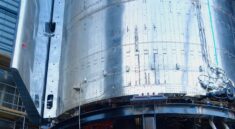


DaejeonSat-1 contact was successfully established on the sixth attempt, marking a significant achievement for the satellite’s operational team. This event highlights the resilience and dedication involved in space exploration.
Overview of DaejeonSat-1
DaejeonSat-1, a small satellite developed by the Korea Advanced Institute of Science and Technology (KAIST), has successfully established contact after six attempts, marking a significant achievement in its operational journey. Launched into orbit earlier this year, DaejeonSat-1 is designed to conduct various scientific experiments and gather valuable data for researchers.
The satellite’s mission includes:
- Earth observation: DaejeonSat-1 is equipped with advanced imaging technology to monitor environmental changes.
- Data collection: It aims to gather crucial data for studying atmospheric conditions and urban development.
- Technology demonstration: The satellite serves as a platform for testing new satellite technologies.
Despite facing challenges during the initial contact attempts, the successful communication established on the sixth try indicates that DaejeonSat-1 is operating normally. The team at KAIST expressed their relief and excitement, as they have been working tirelessly to ensure the satellite’s functionality.
This achievement not only highlights the technical capabilities of the DaejeonSat-1 but also enhances South Korea’s position in the global space exploration landscape. The ongoing success of DaejeonSat-1 will likely pave the way for future satellite missions.
Challenges Faced During Contact Attempts
The journey to establish a successful contact with DaejeonSat-1 was fraught with numerous challenges. Engineers faced a series of technical difficulties throughout the six attempts, testing their resolve and innovation. Each attempt presented unique obstacles that required detailed analysis and quick problem-solving skills.
- Signal Interference: One major challenge was the interference from other satellites in orbit, which disrupted the communication signals essential for establishing a connection.
- Power Issues: The satellite experienced fluctuating power levels, which impeded its ability to maintain a stable connection during the earlier attempts.
- Environmental Factors: Space weather conditions, such as solar flares, added an additional layer of complexity, affecting the satellite’s systems and communication capabilities.
- Software Glitches: Unforeseen software bugs emerged during the initial attempts, necessitating thorough debugging and system updates before proceeding with the next contact.
Despite these hurdles, the commitment of the engineering team remained steadfast. Their perseverance ultimately paid off when DaejeonSat-1 successfully established contact on the sixth attempt, proving its operational capability and marking a significant milestone in this ambitious project.
Significance of Successful Communication
The successful communication with DaejeonSat-1 on the sixth attempt marks a significant achievement in the realm of satellite technology and space exploration. This milestone not only demonstrates the resilience and determination of the team behind the satellite but also highlights the importance of persistence in overcoming technical challenges.
Establishing contact with DaejeonSat-1 is crucial for several reasons:
- Data Collection: The satellite is designed to gather important scientific data that can contribute to various research fields, including environmental monitoring and disaster management.
- Testing Ground: Successful contact serves as a testing ground for new technologies that could be utilized in future satellite missions.
- International Collaboration: This accomplishment strengthens ties between organizations and countries involved in space exploration, fostering international collaboration and knowledge sharing.
- Future Missions: The lessons learned from the DaejeonSat-1 contact attempts will inform future mission planning and execution, enhancing the overall success rate of similar endeavors.
Overall, the DaejeonSat-1 contact represents a leap forward in satellite communication and sets a precedent for future missions, reaffirming the potential of space technology to provide valuable insights and advancements.
Future Missions for DaejeonSat-1
The successful establishment of contact with DaejeonSat-1 marks a pivotal moment for future missions. Following six attempts, the satellite has proven its capabilities, which opens the door for a variety of upcoming projects aimed at expanding its operational framework.
Planners are considering several exciting initiatives, including:
- Enhanced Data Collection: DaejeonSat-1 will be tasked with capturing more detailed environmental data, which could aid in research related to climate change and urbanization.
- Collaborative Projects: Future missions may involve partnerships with other satellites, creating a network for improved communication and data exchange.
- Technological Innovations: The success of the contact attempts has encouraged engineers to explore upgrades in satellite technology, potentially leading to enhancements in signal strength and data transmission rates.
- Educational Outreach: DaejeonSat-1’s achievements will be showcased in educational programs, inspiring future generations to pursue careers in space exploration and technology.
With the proven success of DaejeonSat-1 contact established, the team is optimistic about the satellite’s role in future missions, setting the stage for innovative advances in space technology.
The recent achievement of DaejeonSat-1 contact marks a significant milestone for the team behind the satellite. Following six attempts, the successful establishment of DaejeonSat-1 contact demonstrates the resilience and dedication of the engineers involved.
Photo by Henry Acevedo on Pexels
References
Flock Off Release Date: The Best Proven Trailer Insights · China Manus Funding Round: Proven Success After Meta Split · Vivo V80 price: Is it Worth the Investment for You?